
Blog
Hair Fall in Monsoon? Here’s How to Take Care of Your Hair

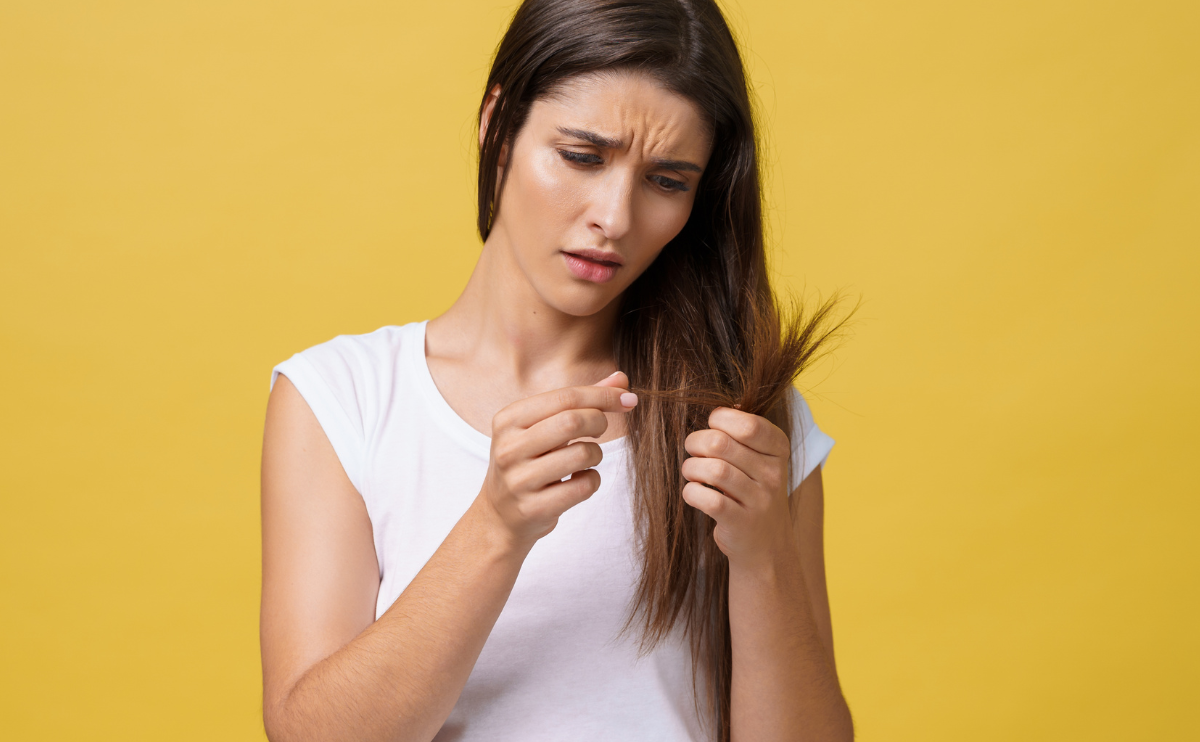
The monsoon season brings welcome relief from the summer heat, but it also brings a common problem hair fall. If you’ve noticed more strands on your comb, pillow, or bathroom floor during the rainy season, you’re not alone. Increased humidity, sweat, damp weather, and scalp infections can make hair weaker and more prone to breakage.
The good news is that with a few simple changes to your routine, you can take better care of your hair and reduce seasonal hair fall. Let’s look at some practical tips that can help keep your hair healthy throughout the monsoon.
Why Does Hair Fall Increase During Monsoon?
Many people experience more hair fall during the rainy season because the weather creates the perfect environment for scalp related issues. Humidity causes excessive sweating, while frequent exposure to rainwater can leave the scalp damp for long periods.
This combination may lead to oil buildup, dandruff, itchiness, and weaker hair roots. When the scalp is unhealthy, hair becomes more likely to fall or break.
Although seasonal hair fall is common, proper care can help reduce its impact.
Keep Your Scalp Clean
A clean scalp is the foundation of healthy hair. During monsoon, sweat, dirt, and pollution accumulate more quickly, making regular cleansing even more important.
Wash your hair with a gentle shampoo whenever your scalp feels oily or dirty. Avoid letting sweat remain on the scalp for long hours, as this may increase irritation and discomfort.
Keeping your scalp fresh helps create a healthier environment for your hair.
Never Leave Your Hair Wet
One of the biggest mistakes people make during monsoon is leaving their hair wet for too long. Damp hair becomes weaker and can break more easily.
If your hair gets wet in the rain, wash it with clean water if needed and dry it gently using a soft towel. Allow your hair to air dry naturally whenever possible instead of tying it up while it’s still wet.
Dry hair is generally less likely to become weak or develop scalp-related concerns.
Oil Your Hair the Right Way
Hair oiling remains one of the simplest ways to nourish your scalp during seasonal changes. A gentle scalp massage can improve circulation while helping you relax after a busy day.
Adding Aurum ‘s Herbal Hair Oil to your weekly routine can provide nourishment to the scalp and hair. Applying it before washing your hair and massaging it gently into the roots may help keep your scalp moisturized while supporting healthier-looking hair. Regular oiling also helps manage dryness that often develops after repeated washing.
Consistency is more helpful than applying large amounts at one time.
Avoid Excessive Heat Styling
Hair already becomes more delicate during monsoon, so frequent use of straighteners, curling irons, and blow dryers may increase breakage.
Whenever possible, allow your hair to dry naturally. If you need to use styling tools, keep the temperature low and avoid daily heat exposure.
Giving your hair regular breaks from heat styling can help maintain its natural strength.
Eat Foods That Support Healthy Hair
Healthy hair begins from within. Your daily diet plays an important role in maintaining strong hair.
Include foods rich in protein, iron, healthy fats, fruits, vegetables, nuts, and seeds in your meals. Drinking enough water also supports your body’s natural balance and helps maintain overall scalp health.
A balanced diet, along with a good hair care routine, works together to keep your hair looking healthier.
Avoid Tight Hairstyles
Tight ponytails, buns, and braids can pull on your hair roots, especially when your hair is already weak due to seasonal changes.
Choose loose hairstyles whenever possible. This reduces unnecessary tension on the scalp and helps minimize hair breakage throughout the day.
Simple styling habits can make a noticeable difference over time.
Keep Hair Accessories Clean
Hair brushes, combs, towels, and pillowcases collect oil, dirt, and bacteria over time. During humid weather, these items should be cleaned regularly.
Using clean hair accessories helps reduce the transfer of dirt back onto your scalp and supports better scalp hygiene.
It’s a small habit that many people overlook.
Don’t Ignore Dandruff
Monsoon humidity may increase dandruff for some people. If left untreated, dandruff can cause itchiness and discomfort, leading to frequent scratching that may weaken hair.
Pay attention to your scalp if you notice flakes or irritation. Addressing dandruff early can help maintain a healthier scalp environment.
Build a Simple Weekly Hair Care Routine
Instead of trying many different products, stick to a routine you can follow consistently.
A simple weekly routine could include:
- Oil your scalp once or twice a week.
- Wash your hair with a mild shampoo.
- Keep your hair clean and dry.
- Avoid excessive heat styling.
- Eat nutritious meals.
- Stay hydrated.
- Protect your hair from rain whenever possible.
Following these habits regularly often produces better results than changing your routine every week.
Final Thoughts
Hair fall during monsoon is a common concern, but it doesn’t have to become a long-term problem. Paying attention to your scalp, keeping your hair clean and dry, eating well, and following a consistent hair care routine can help reduce seasonal hair fall.
Remember that healthy hair doesn’t develop overnight. Small, regular efforts can make a meaningful difference over time. With the right care and a little patience, you can enjoy healthier, stronger, and more manageable hair throughout the rainy season.