
Blog
How to Prevent Hair Fall During the Rainy Season

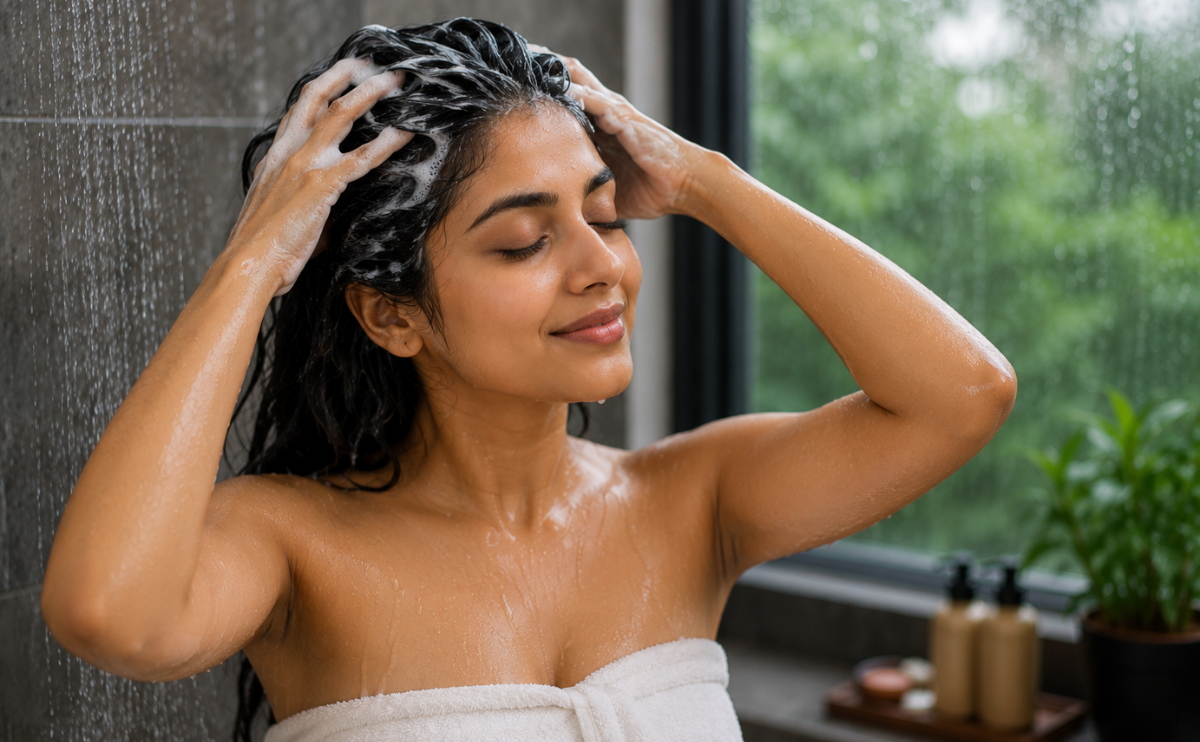
The rainy season brings cooler weather and a refreshing change after the summer heat, but it also brings a common hair concern hair fall. If you’ve noticed more hair on your pillow, comb, or shower drain during monsoon, you’re not alone. Increased humidity, sweat, rainwater, and scalp infections can all make your hair weaker and more likely to break.
The good news is that a few simple changes in your routine can help protect your hair during this season. Let’s look at practical ways to reduce hair fall and keep your scalp healthy throughout the monsoon.
Why Does Hair Fall Increase During Monsoon?
Many people experience seasonal hair fall because the scalp reacts differently to humid weather. Excess moisture in the air can make the scalp oily, while frequent sweating may lead to dirt and product buildup.
Rainwater can also leave the scalp damp if hair is not dried properly. This creates conditions where dandruff, itchiness, and scalp irritation become more common. When the scalp is unhealthy, hair roots may become weaker, leading to increased hair fall. Understanding the cause is the first step toward better hair care.
Wash Your Hair When Your Scalp Feels Oily or Dirty
During the monsoon, your scalp can collect sweat, dust, and excess oil more quickly than usual. Washing your hair 2–3 times a week, or whenever your scalp feels oily or dirty, helps remove this buildup and keeps your scalp clean.
Avoid washing your hair every day unless your hair type or lifestyle requires it. Frequent washing may strip away your scalp’s natural oils, leaving your hair dry and more prone to breakage. A clean and balanced scalp provides a better environment for healthy, stronger-looking hair.
Choose a Gentle Cleanser
The shampoo you use can make a difference, especially during the rainy season. Harsh products may leave your hair feeling dry and rough, making breakage more noticeable.
A good option is Soapnut Shampoo, which gently cleanses the scalp while helping remove excess oil, dirt, and impurities. Regular cleansing with a mild shampoo can support better scalp hygiene without making the hair feel overly dry.
Healthy cleansing is one of the easiest ways to maintain your hair during seasonal changes.
Don’t Skip Conditioning
Many people think conditioner makes hair oily, so they skip it during monsoon. In reality, conditioner helps smooth the hair strands and makes them easier to manage.
Using a Hair Conditioner after shampooing can help reduce tangles, improve softness, and minimize breakage caused by rough combing. Apply it mainly to the mid-lengths and ends of your hair rather than directly onto the scalp.
Well-conditioned hair is often easier to style and less likely to snap while brushing.
Dry Your Hair Properly
One of the biggest mistakes during monsoon is leaving your hair wet for long periods. Damp hair is more fragile and can become prone to fungal scalp issues.
After washing your hair or getting caught in the rain, gently pat your hair dry with a soft towel. Avoid rubbing your hair vigorously, as this may increase breakage. If possible, let your hair air dry before tying it up.
Avoid Tight Hairstyles
Tight ponytails, buns, and braids may put unnecessary stress on already weak hair roots.
Choose loose hairstyles during the rainy season, especially when your hair is damp. This helps reduce tension on the scalp and lowers the chances of hair breakage throughout the day. Simple hairstyles can make a noticeable difference over time.
Massage Your Scalp Regularly
A gentle scalp massage once or twice a week can be a relaxing addition to your hair care routine.
Massaging with a suitable hair oil before washing may help nourish the scalp while improving blood circulation. Spend five to ten minutes using your fingertips in circular motions. This routine not only supports scalp care but also gives you time to unwind after a busy week.
Eat a Hair-Friendly Diet
Healthy hair begins with proper nutrition. A balanced diet provides the nutrients your body needs to support healthy hair. Include protein-rich foods, leafy vegetables, fruits, nuts, seeds, and whole grains in your meals. Staying hydrated is equally important, even during the rainy season. Good eating habits work alongside your hair care routine to support healthier hair.
Build a Consistent Hair Care Routine
You don’t need an elaborate routine to care for your hair during monsoon. Consistency is often more helpful than trying many different products. A simple weekly routine may include:
- Wash your hair with a gentle shampoo.
- Use a conditioner after every wash.
- Massage your scalp once or twice a week.
- Keep your hair clean and dry.
- Avoid excessive heat styling.
- Eat a balanced diet.
- Stay hydrated.
Following these habits consistently can help your hair stay healthier throughout the rainy season.
Final Thoughts
Hair fall during monsoon is common, but it doesn’t have to become a lasting concern. Paying attention to your scalp, washing your hair regularly, conditioning your hair properly, and following simple daily habits can make a noticeable difference over time.
Remember that healthy hair is built through regular care rather than quick fixes. By keeping your routine simple and consistent, you can enjoy stronger, softer, and healthier-looking hair throughout the rainy season while reducing unnecessary hair fall.